
The Outstanding Tiny Desk AI Trend: Music, Casting and the Remix
Where the musical reference comes from, how the AI casting format works, and how to distinguish an original concert from a generated recreation.
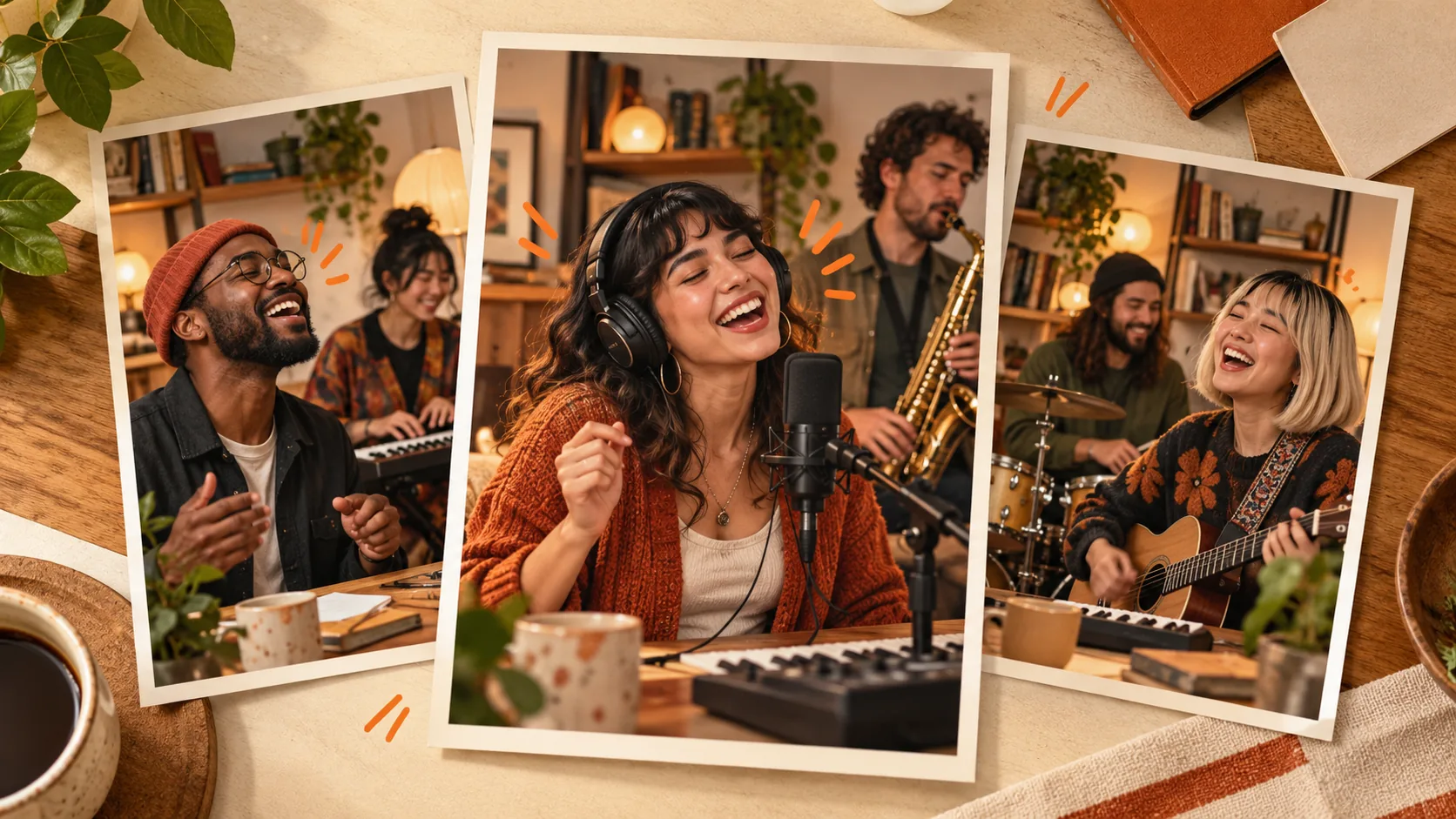
The Outstanding Tiny Desk AI trend takes the visual idea of an intimate soul-band performance and replaces the expected cast with new faces. The recognizable musical reference is Charlie Wilson’s 2023 NPR Tiny Desk Concert, which included the Gap Band song “Outstanding.” An AI recreation is a separate generated work; it is not evidence that the people shown appeared in the original concert.
This article focuses on that distinction and on the creative format. It was prepared with AI assistance, using the primary concert sources linked below and the current product controls. We do not have a verified count of posts or a reliable record of the first AI remix, so this is not a claim about the trend’s total reach or its first creator.
Start with the original performance
Charlie Wilson’s official announcement describes his Tiny Desk appearance during NPR’s Black Music Month programming. NPR’s concert page is the primary reference for the performance itself. These sources establish the concert background; they do not endorse this generator or describe its output.
Keep three things separate when talking about a clip: the underlying song, the recorded performance and the AI edit. They may be connected creatively, but they are not interchangeable. A new face in a generated scene does not make the recording a real performance by that person, and downloading a video does not transfer rights in the music.
Our meme background page is a shorter source-oriented introduction. This guide goes further into how the format can work as a personal casting joke and what to check before presenting an AI version to other people.
Why changing the cast changes the joke
Our reading of the format is that much of its humor comes from contrast. The setting looks like a serious, compact performance, while the cast may be the people from your group chat, a familiar colleague or someone who would never volunteer to sing. The scene stays recognizable while the social meaning changes.
That is a creative interpretation, not a measured explanation of platform distribution. A strong idea can still receive little attention, and a recognizable reference does not guarantee views. Choose a concept that the intended audience understands without requiring a long explanation of the source material.
One useful question is: “Who needs to recognize whom?” If only your friends know the cast, make the caption about that shared context. If the audience is broader, a simple situation such as a birthday encore or an after-work band may communicate more quickly than an elaborate private joke.
A template is a starting point, not a record of reality
In this Outstanding Tiny Desk generator, the format has five roles: lead singer, keys, saxophone and two backing singers. You can assign individual portraits or use one group photograph. The output is a nominal 15-second vertical video with the reference soundtrack.
The model attempts to preserve the requested identities and performance setup, but it can alter faces, bodies, clothing and background details. It may also confuse one supporting role with another. A plausible frame therefore tells you little about whether the complete clip remains consistent.
This is also why an external reference and a product sample should be labeled differently. A reference communicates the atmosphere or performance target. A generated sample demonstrates one actual output from the tool. Neither establishes that your own result will be identical, and the reference should not be presented as a customer result.
Choose a personal idea before choosing five photos
A solo-cast clip can have a clearer point than a full band. For example, a birthday edit can put the recipient on the microphone and let fictional musicians fill the other roles. The joke is recognizable immediately, and there are fewer identities to inspect.
A full cast works when the role assignments themselves carry meaning. The organized friend might play keys, while the person who always interrupts gets the saxophone moment. Ask the participants first, and keep the framing affectionate rather than using the edit to humiliate someone.
Individual photos provide the clearest role assignment when those choices matter. Group mode is convenient for a clear photograph of several people, but face selection can be less predictable. The template guide explains the left-to-right group order and the limits of that instruction.
Make the artificial part clear
A short caption such as “Our imaginary desk concert — AI edit” tells viewers what they are seeing without overwhelming the joke. Avoid presenting the result as an actual NPR invitation, a real performance or an endorsement by the artist. The generator is independent of NPR, Tiny Desk and Charlie Wilson.
Check the rules of the platform where you intend to share the clip, including any labeling requirements that apply to your post. The app’s inclusion of a soundtrack does not resolve permissions for every use. A private joke, a public social post and a paid advertisement can involve different considerations, so review your intended use before publishing.
Do not treat a familiar meme as permission to use anyone’s face. Agree on the audience and context with the people pictured. If someone would be uncomfortable seeing the edit in a work channel or on a public profile, change the plan before generating it.
Review the whole clip, not just the reveal
The reveal may be the fun part, but the rest of the video affects how it lands. Watch the beginning, the close-ups and the supporting players. Check whether the same person remains recognizable, whether the instruments look coherent and whether the soundtrack is present throughout.
Higher resolution is not a correction tool for a confused identity. If the concept depends on a face that is too small or obscured in the input, a clearer portrait is the more relevant change. Each new generation uses credits, so decide on a budget before making repeated attempts.
For practical next steps, use the creation walkthrough or choose from 10 original casting ideas. When you know who belongs at the microphone, open the generator and build your own clearly labeled AI performance.